
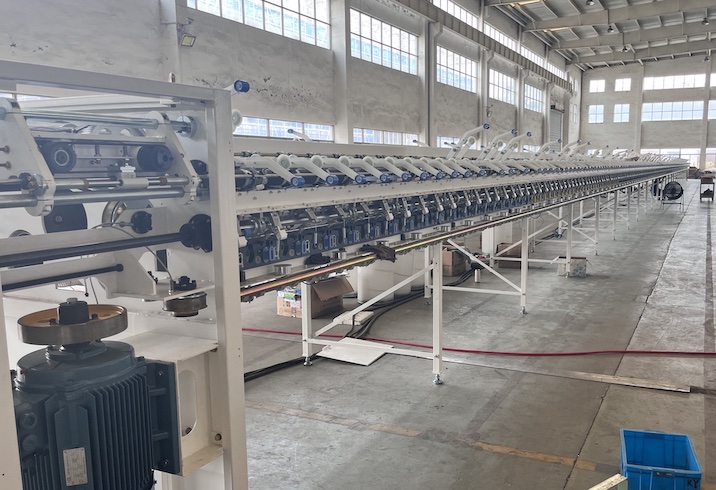
Improving Efficiency in Textile Mills: A Strategic Guide to Upgrading Legacy Machinery
The global textile machinery landscape is shifting toward extreme efficiency and automation. For spinning mills operating with aging equipment, the challenges are twofold: skyrocketing energy costs and the inability to maintain consistent yarn quality.
If your facility is struggling with high power draw and frequent downtime, upgrading your blowroom and carding machine sections is no longer optional—it is a competitive necessity.
1. Why Modernize Your Textile Machinery?
Older production lines were designed for a low-cost energy era. Today, legacy motors and manual feeding systems can waste up to 30% of total plant electricity.
Energy Inefficiency: Fixed-speed motors without VFDs run at maximum load even during idle periods.
Fiber Loss: Outdated opening and cleaning technology results in higher lint loss and fiber damage.
Labor Intensity: Manual processes in the blowroom increase overhead and human error.
2. The Foundation: Selecting a Reliable Blowroom Manufacturer
As a leading blowroom manufacturer, we understand that the opening and cleaning line is the “heart” of the spinning process. A modern blowroom doesn’t just clean; it preserves fiber length and saves energy.
The Role of the Automatic Baler Plucker
The first step to automation is replacing manual bale opening with an Automatic Baler Plucker.
Precision Opening: It ensures smaller tufts and more uniform blending right from the start.
Labor Savings: One operator can manage multiple lines, reducing manual handling risks.
Consistent Feed: Provides a stable flow of material to the downstream cleaners, preventing bottlenecks.

Blowroom machine
3. Optimizing the Carding Machine Section
The phrase “well carded is half spun” remains true. Upgrading your carding machine fleet is the most effective way to reduce Neps and improve the CV% of your sliver.
Key Retrofit Strategies:
High-Efficiency Drivetrains: Replacing old gear systems with toothed belts and IE4 permanent magnet motors can reduce energy use by 15–20%.
Precision Card Clothing: Modern wire technology allows for better trash removal and fiber alignment.
Auto-Leveling Integration: Retrofitting old cards with modern auto-levelers ensures consistent sliver weight, reducing breaks in the spinning frame.
4. Targeted Energy Saving Solutions (The 3-Level Path)
| Focus Area | Upgrade Component | Estimated ROI |
| Opening | Automatic Baler Plucker installation | 12–18 Months |
| Cleaning | VFD & PMSM Motor retrofit for fans | 6–10 Months |
| Carding | Modern Carding Machine clothing & suction | 10–14 Months |
5. Partnering for Long-Term Performance
Upgrading your textile machinery is a journey, not a single purchase. Choosing the right partner—a manufacturer who understands both mechanical precision and digital integration—is vital.
By implementing targeted retrofits on your blowroom and carding lines, you can achieve:
Lower kWh per kg of yarn.
Higher production speeds (up to 40% increase).
Better market prices for your higher-grade yarn.
Conclusion
Don’t let legacy equipment drain your mill’s profitability. Whether you are looking for a complete new line from an experienced blow room manufacturer or seeking to retrofit your existing carding machines, the technology exists to turn your “old” factory into a high-efficiency leader.


Leave A Comment